

Description
The 2026 festival is dedicated to the memory of Jane Goodall and Martin Parr!
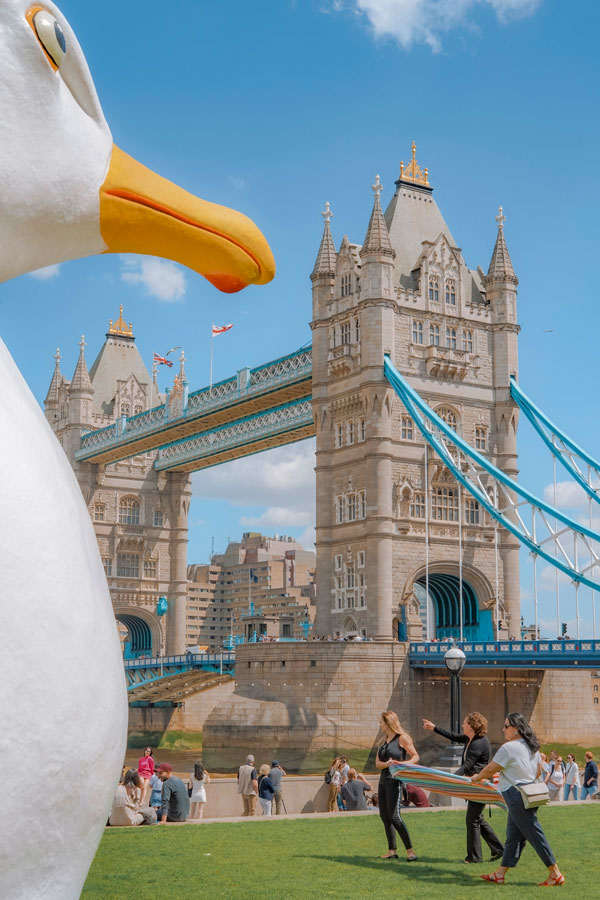
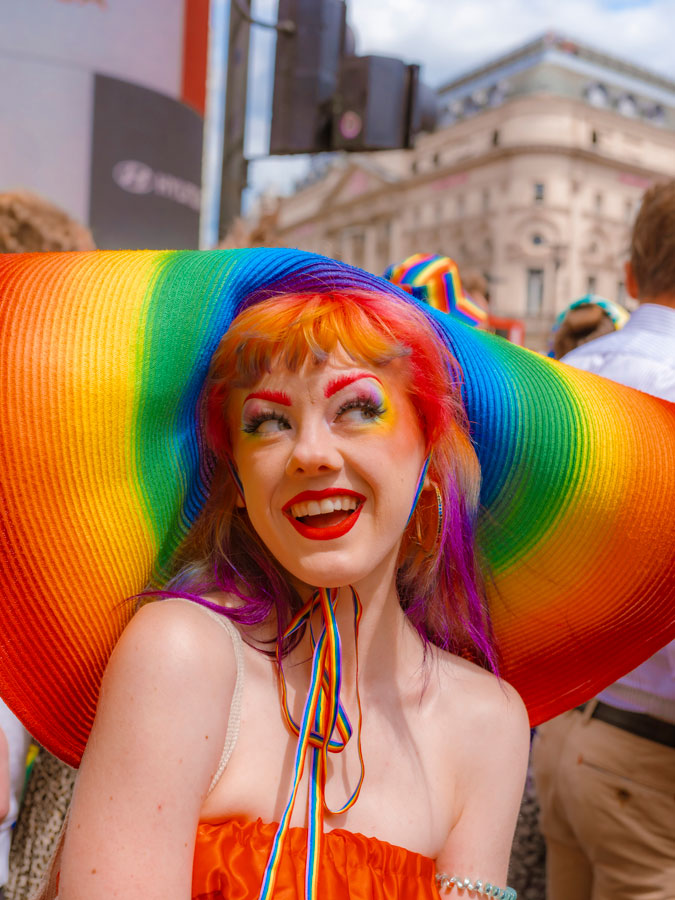
In 2026, the Festival La Gacilly-Baden Photo will be themed “SO BRITISH!”. This massive open-air gallery, stretching 7 kilometres, transforms the city of Baden for four months into a city of images, featuring approximately 1,500 large-format photographs displayed in parks, gardens, and the old town. With free admission, 35 exhibitions will be open seven days a week, from 0 to 24 hours.
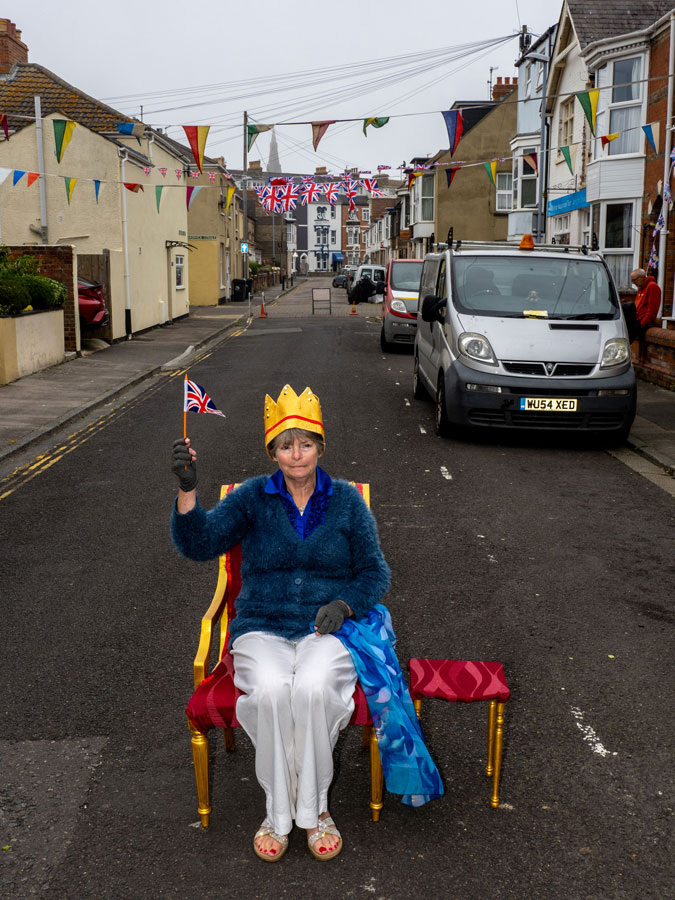
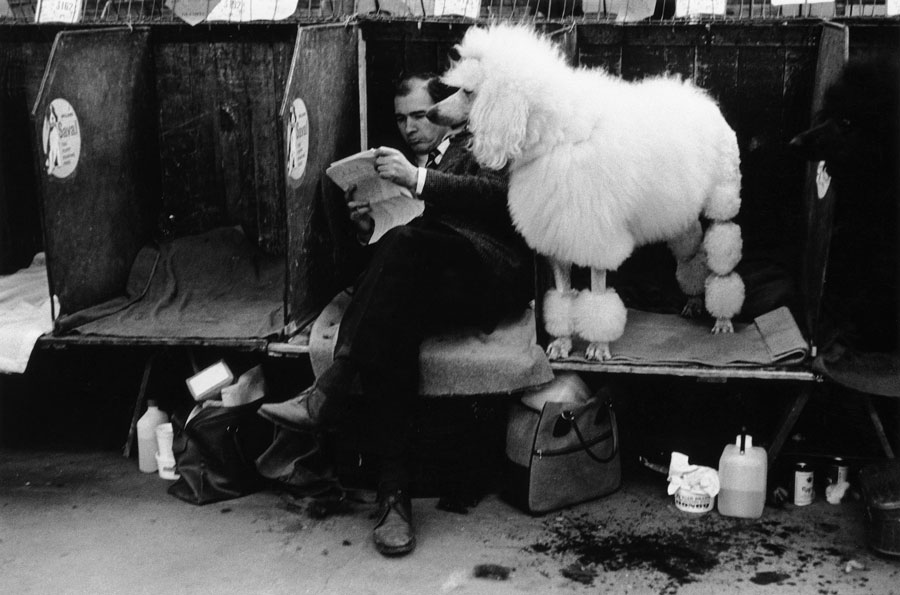
SO BRITISH! Great Britain and Europe share a thousand-year history full of misunderstandings and hostilities, admiration and respect. This may be due to the British peculiarity of doing things differently than everyone else. They not only drive on the left, but they also have their own currency, and 51.89 percent voted for Brexit. They play darts, believe in ghosts, and still have a monarchy. And they have this touch of eccentricity. Since Oscar Wilde walked a lobster on a leash along the banks of the Thames, we have known that in this country of strict upbringing, extravagance is still cultivated as an art form. Many British photographers share this style. They are so British because they know how to capture the spirit of their time with a great sense of clarity.
Our festival has always sought to honour the great masters of photography, and Sir Don McCullin, who was knighted by Queen Elizabeth II, is a legend. Throughout his career, he did not merely photograph the misery of the marginalised, he denounced it; he did not merely photograph war, he condemned its absurdity; he did not merely photograph the English countryside, no, he revealed its fragility.
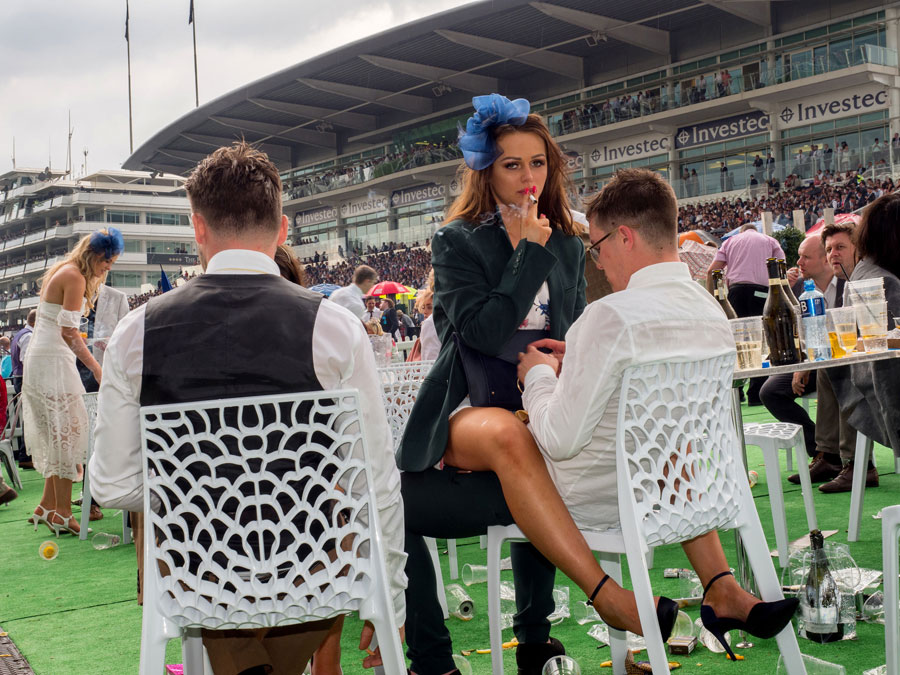
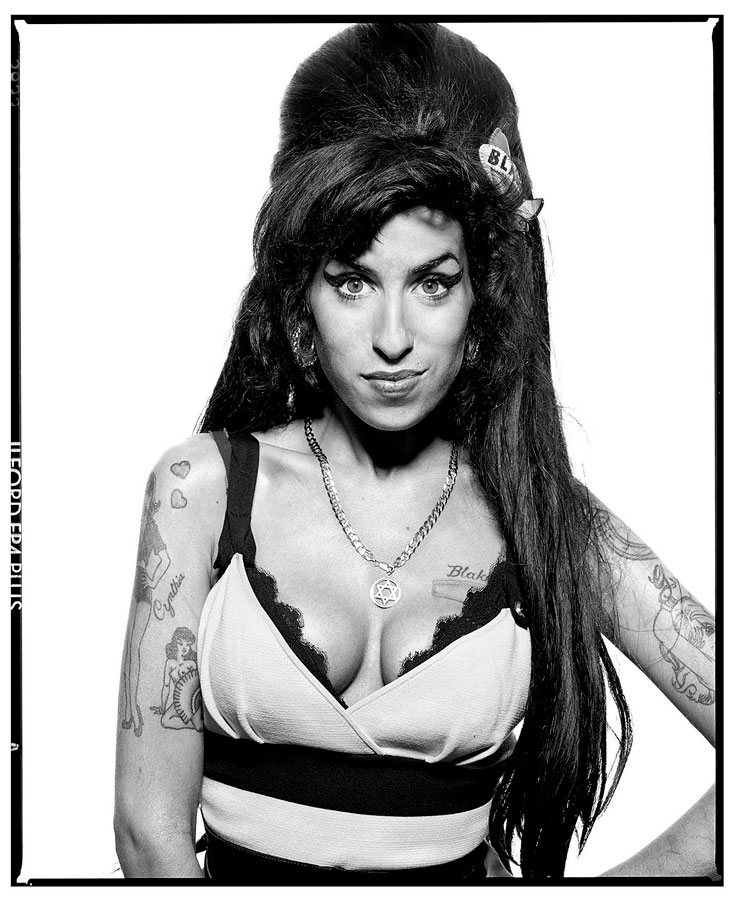
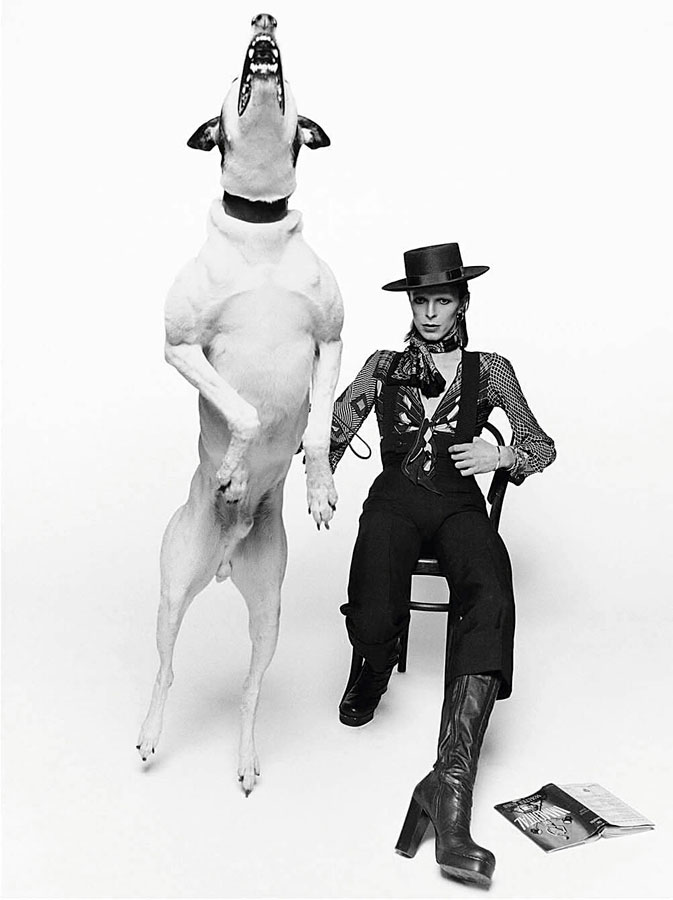
If mischief were the British people’s prerogative, then Martin Parr would be its photographic herald. For over fifty years, this tireless chronicler of English society has cast a razor-sharp gaze upon his compatriots. And he has taken no different approach to his commissions for the fashion world: his stylistic devices lend the images a certain exaggeration. Fashion is not merely presented, but simultaneously questioned: what does style mean in a world of mass consumption? How do trends influence our behaviour and our perception of beauty? Or Tony Ray-Jones, this ironic observer, who gave humor its rightful place without ever resorting to unnecessary cruelty. Peter Dench has chosen to take a close look at the contradictions of a society that is considered deeply traditional. Josh Edgoose roams the streets of London, searching for the unexpected. “Swinging London” reminds us that iconic pop music was born on the banks of the Thames. Terry O’Neill not only witnessed this intoxicating revolution, but he was the photographic confidant of England’s “enfants terribles,” from the Beatles to the Rolling Stones and David Bowie, to Elton John.
Did you know that the United Kingdom and France share the distinction of being the inventors of photography? While Nicéphore Niepce, from Chalon-sur-Saône, was the first to capture an image on a metal plate, it was an English botanist who further developed this technique as early as 1843. Anna Atkins was a pioneer in the field of cyanotype, with which she created herbariums of fascinating beauty. Gina Soden explores stately homes and old villas that have been abandoned by their owners, abandoned factories, and dilapidated hospitals where nature is reclaiming its territory. Cig Harvey experiments with colors, our sensory experiences, and bodies that merge with nature. Finally, Mary Turner takes a tender look at the marginalized populations of post-industrial England.
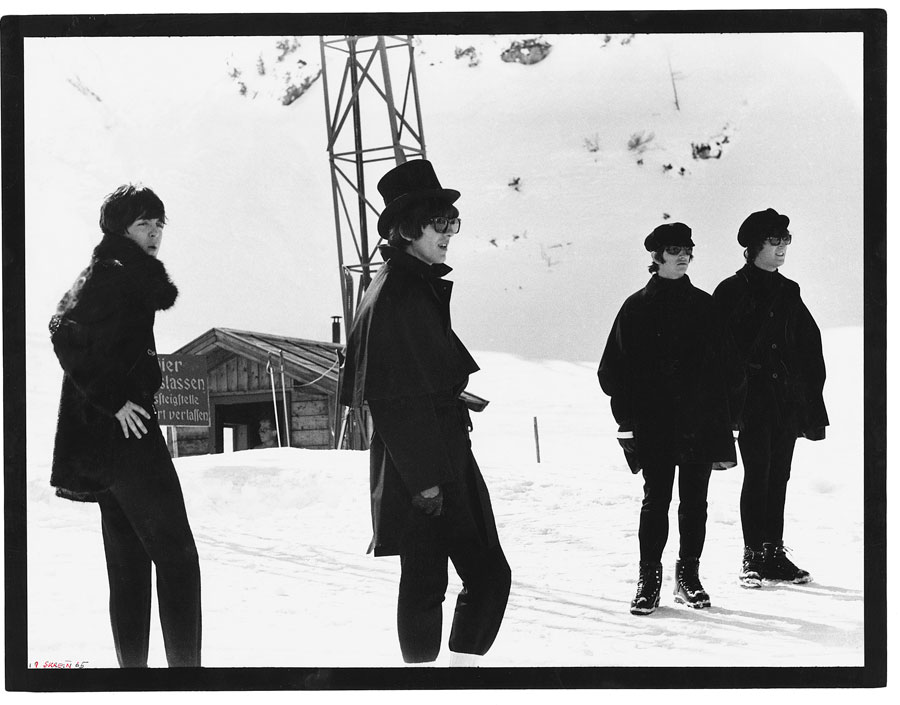
Christian Skrein reminds us of the Beatles’ visit to Obertauern, where they traveled to film “Help!” – and were greeted by the local population with banners that read: “Beatles Go Home!” And the filmmaker Richard Ladkani from Baden pays a photographic tribute to Jane Goodall from the intimate perspective of a now abruptly broken friendship: “Just me, Jane!” Esther Haase visited Andreas Kronthaler to explore with him the legacy of his long-time partner and wife, Vivienne Westwood.
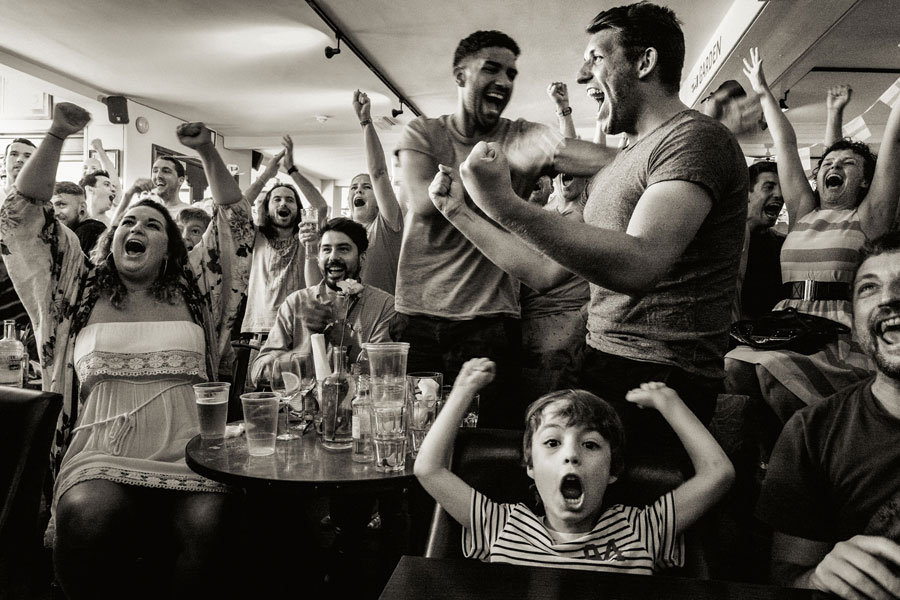
Mike Taylor’s work, “The Beautiful Game,” shows us football from the perspective of feverish fans in British pubs – without even featuring a single football player in the frame.
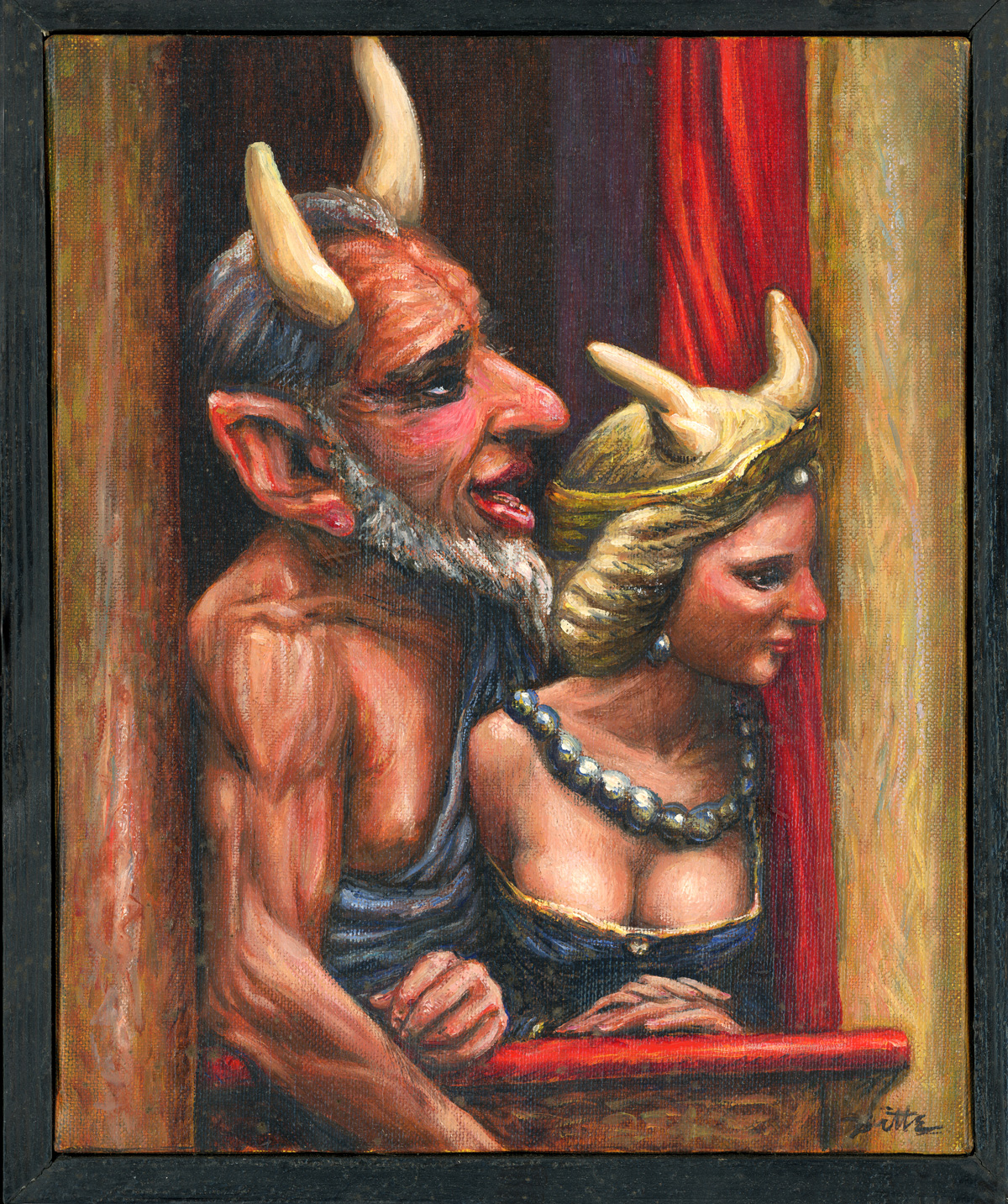
Queen guitarist Sir Brian May is not only an iconic rock musician, but also a passionate stereographer and the world’s largest collector of this art form. Following 2019, when his work “The Moon Landing in 3D” premiered at the Arnulf Rainer Museum in Baden, the festival will present a true rarity from his collection, created shortly after the invention of photography, titled “Stereoscopic Adventures In Hell.” This 3D cult classic offers a unique satirical perspective on the concept of Hell in the 1860s, presenting it in the most nightmarish and captivating way. These remarkable scenes were modeled in clay by the two leading French sculptors, Pierre Hennetier and Louis Habert, and then photographed with a stereoscopic camera – a truly special photographic treat in the context of the 200th anniversary of photography. Similarly spectacular and dedicated to the anniversary of photography, the festival presents a retrospective of the unique work of photo icon and Magnum founder Robert Capa, marking the festival’s first collaboration with the Robert Capa Contemporary Photography Center in Budapest.
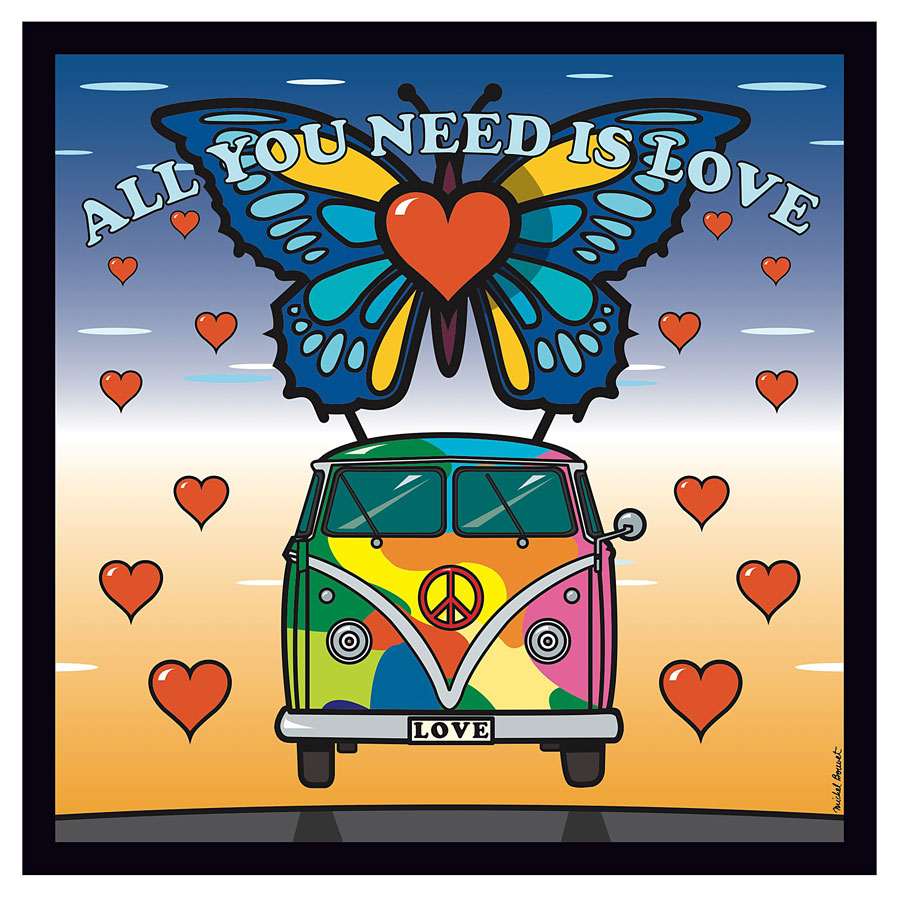
Another rarity is Michel Bouvet’s exhibition “I Love The Beatles,” where a true Beatles fan illustrates the most legendary songs of the mythical band from Liverpool in 35 extraordinary images. This work is primarily the result of an imagination fueled by his passion for music, painting, literature, and travel.
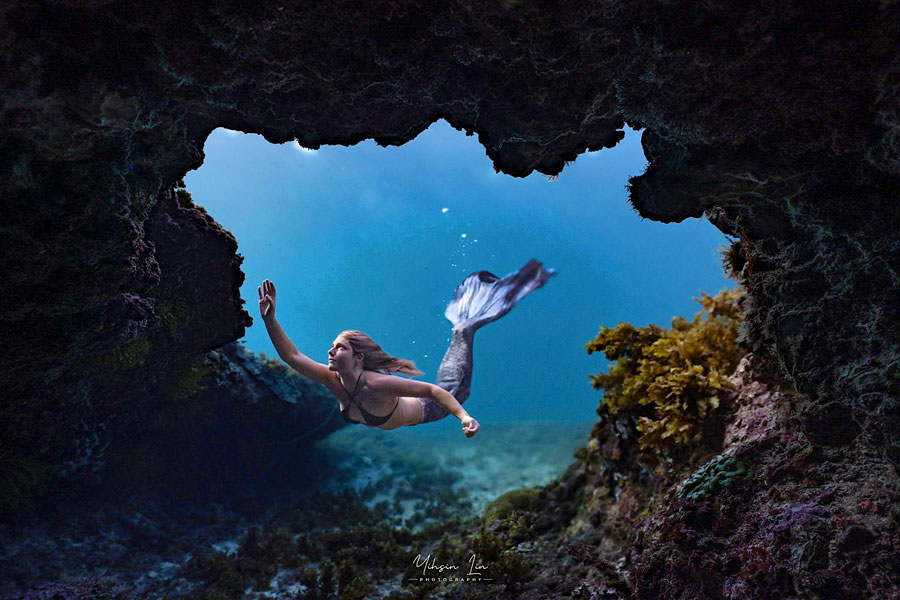
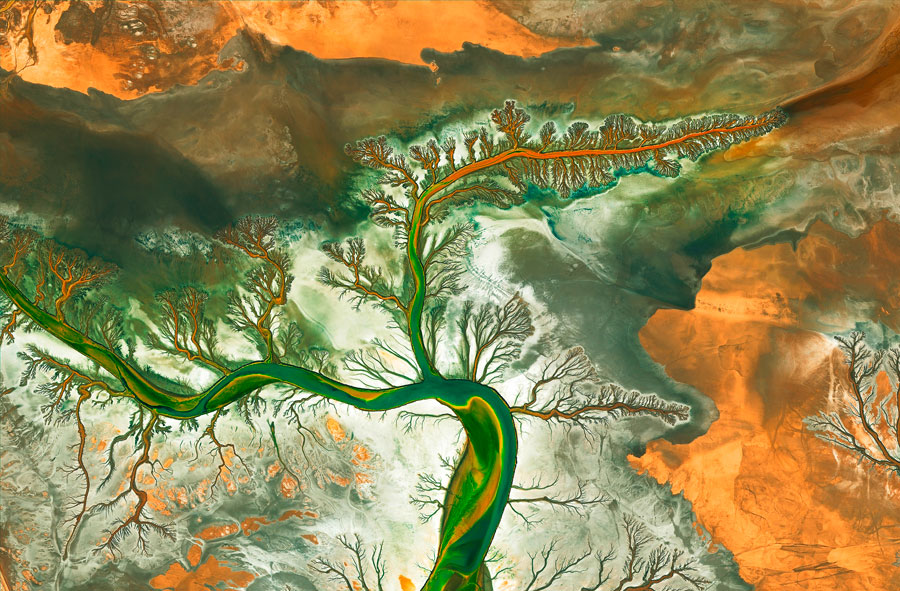
Under the title “Water is Life!”, we will take a sobering look at the world’s rivers with the help of UNESCO World Water Chair Helmut Habersack. We will learn about their beauty and their dramas, and discover what science can do to make their water fresh again. Innsbruck researcher Günter Köck takes us to the most remote regions of the world, where lake trout are used as an “instrument” for environmental monitoring. Even more unexpected exoticism arises when the festival accompanies the young woman from Baden, Christin Gerstorfer, into the fascinating, silent, and dark world of freediving.
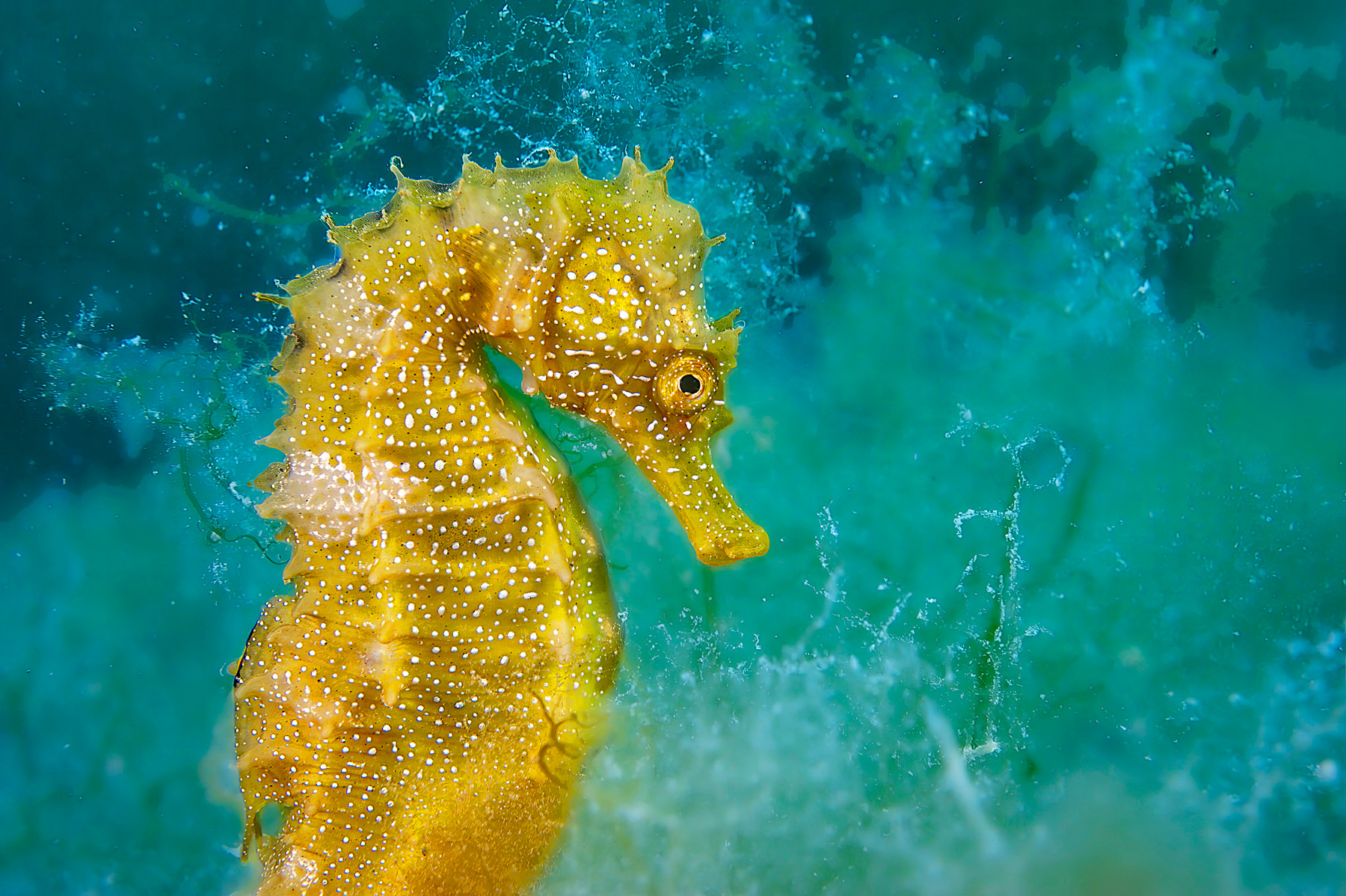
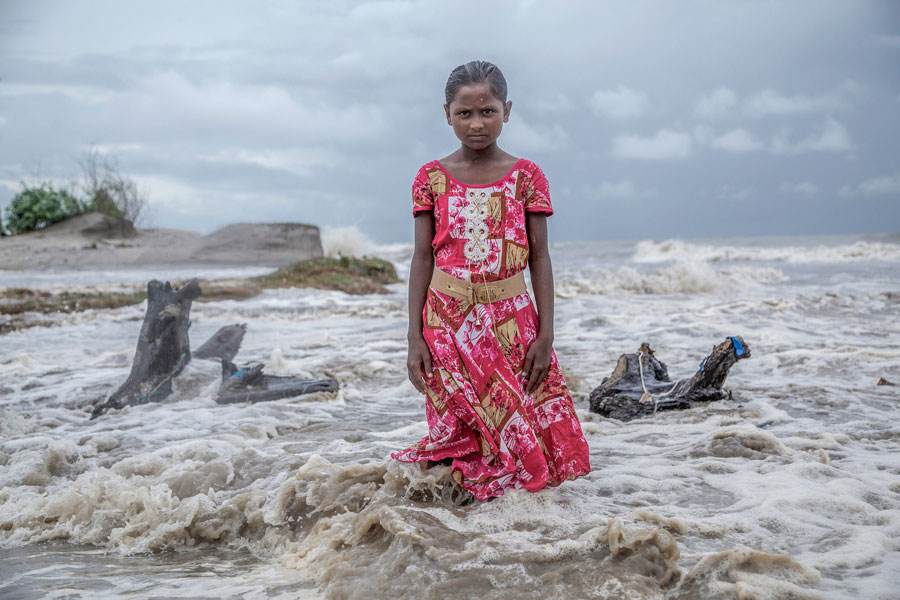
2024 was the hottest year since record-keeping began, a fact attributed to the constantly increasing concentration of greenhouse gases in the atmosphere. The oceans, which cover 70% of the Earth’s surface, are a crucial regulator of the Earth’s climate. They absorb over 90% of the excess heat in the climate system, leading to increasingly intense hurricanes and storms. Who could provide a more vivid insight into the fragile ecosystem of our blue planet than marine biologist Laurent Ballesta, one of the best underwater photographers of his generation? With Robert Doisneau, whose work extends far beyond Paris and its suburbs, we take a refreshing dip. This winter, Stéphane Lavoué set out to meet the people who live with and from the oceans. The Indian photographer Supratim Bhattacharjee has been working in the Sundarbans archipelago for years. He shows us the daily lives of people confronted with climate disasters and rising sea levels.
The tireless traveler, fashion photographer, and member of the Académie des Beaux-Arts, Françoise Huguier, explores the soul of people from Mali to Ethiopia, from Benin to Mozambique, in her work “Emotive Africa.”
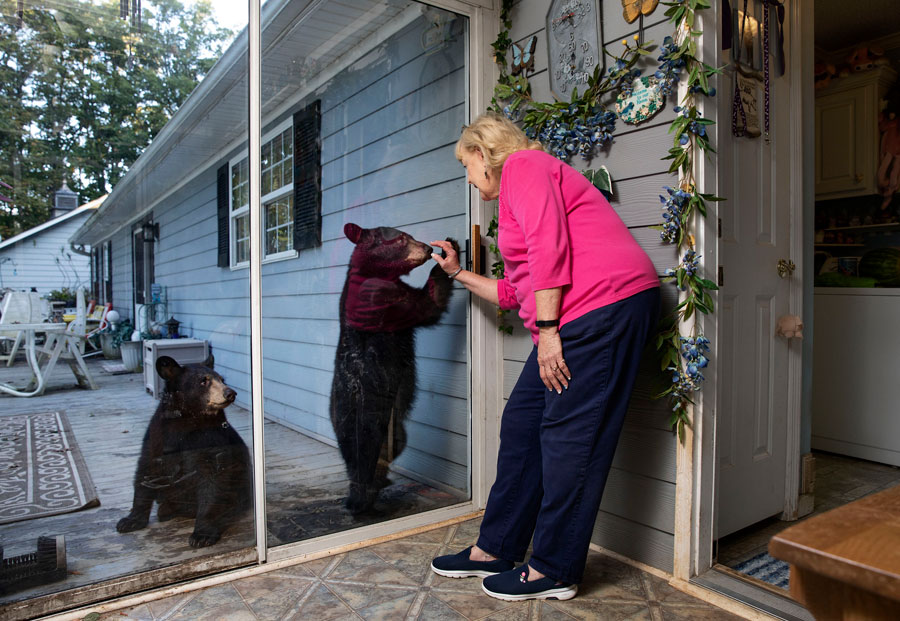
In Tanzania, Frédéric Noy presents his long-term project “Udzungwa,” which documents populations of endemic monkeys living in the heart of a primary forest threatened by urbanization. In an essay that is both documentary and artistic, Axelle de Russé uses infrared photography to examine our two inhabited polar worlds in the north and south. Corey Arnold’s report reveals how bears, coyotes, and raccoons, searching for food they can no longer find in their original habitats, are venturing into our cities.
As a fleeting gift to nature and an ode to travel and contemplation, we present the sensual world of François Fontaine, winner of the Leica Prize for New Environmental Photography 2025. His images, taken during the peak of blooming, resemble prints and capture dappled light, magical reflections, the wind in the trees, and the blossoming of a new season.
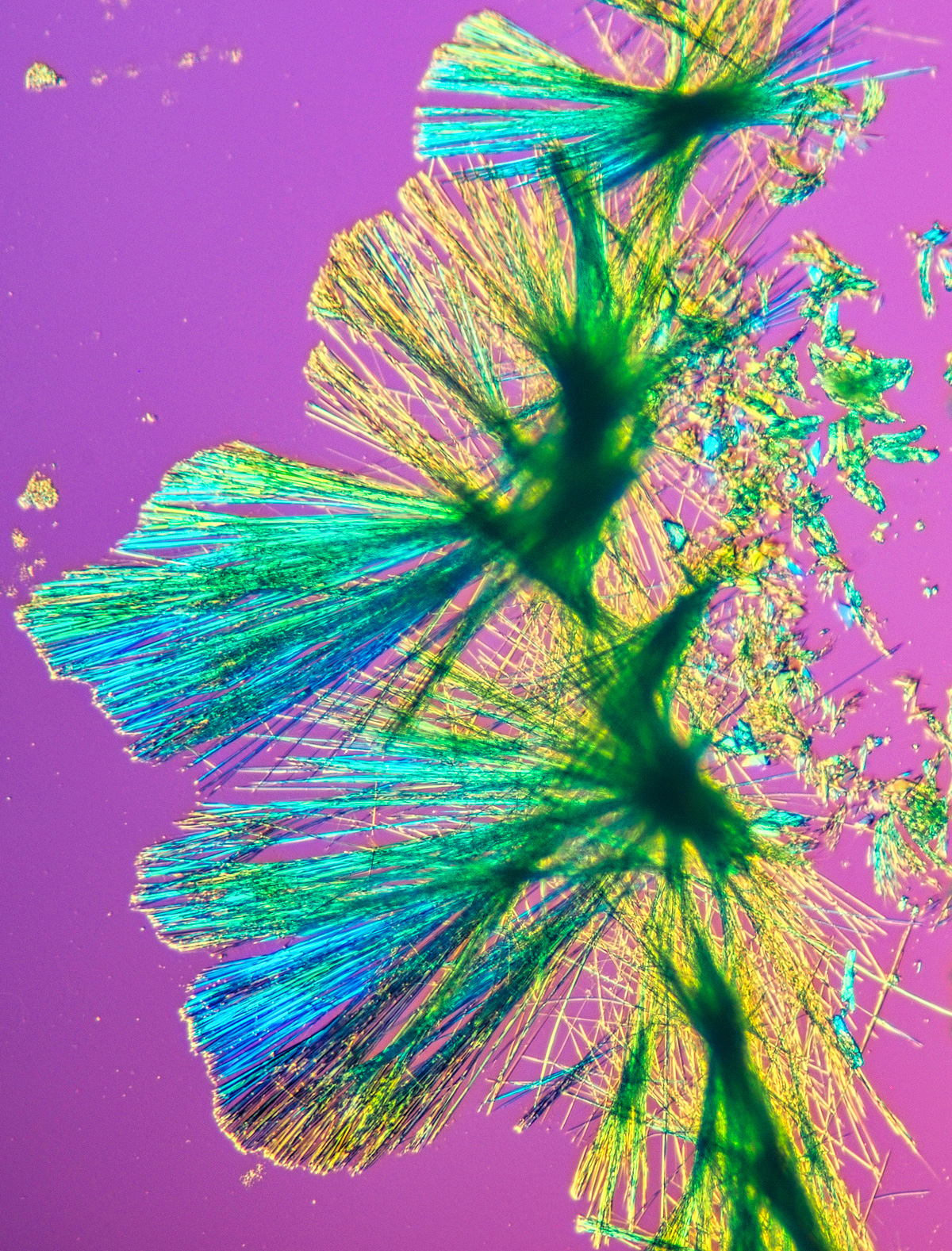
Finally, Norbert Span will surprise us with his visual journey into the microscopic structures of vitamins, revealing their enchanting inner beauty.
The exhibition “The Dream of Flying” showcases the incredible achievements humans are capable of when driven by ambition and curiosity. Every takeoff, every flight, every landing serves as a reminder of this. “The Dream of Flying” is a collaborative photographic project by Ana María Arévalo Gosen, Hans-Jürgen Burkard, Heinz Stephan Tesarek, Jérôme Gence, Martina Draper, Nadia Ferroukhi, Ulla Lohmann, and Lois Lammerhuber, commissioned by Vienna International Airport to mark its 70th anniversary.
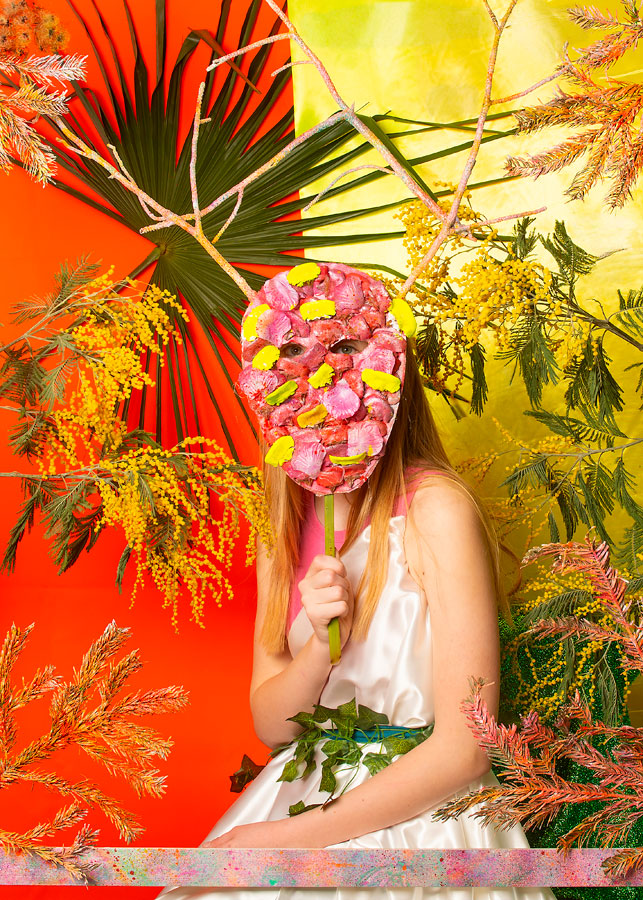
The bilateral photography project “Pop Nature” invites schools in Morbihan (France) and Lower Austria to approach nature with a free, lighthearted, psychedelic, rhythmic, and vibrant photographic perspective. The focus is on bright colors, a sparkling, lively, carefree, and positive world.
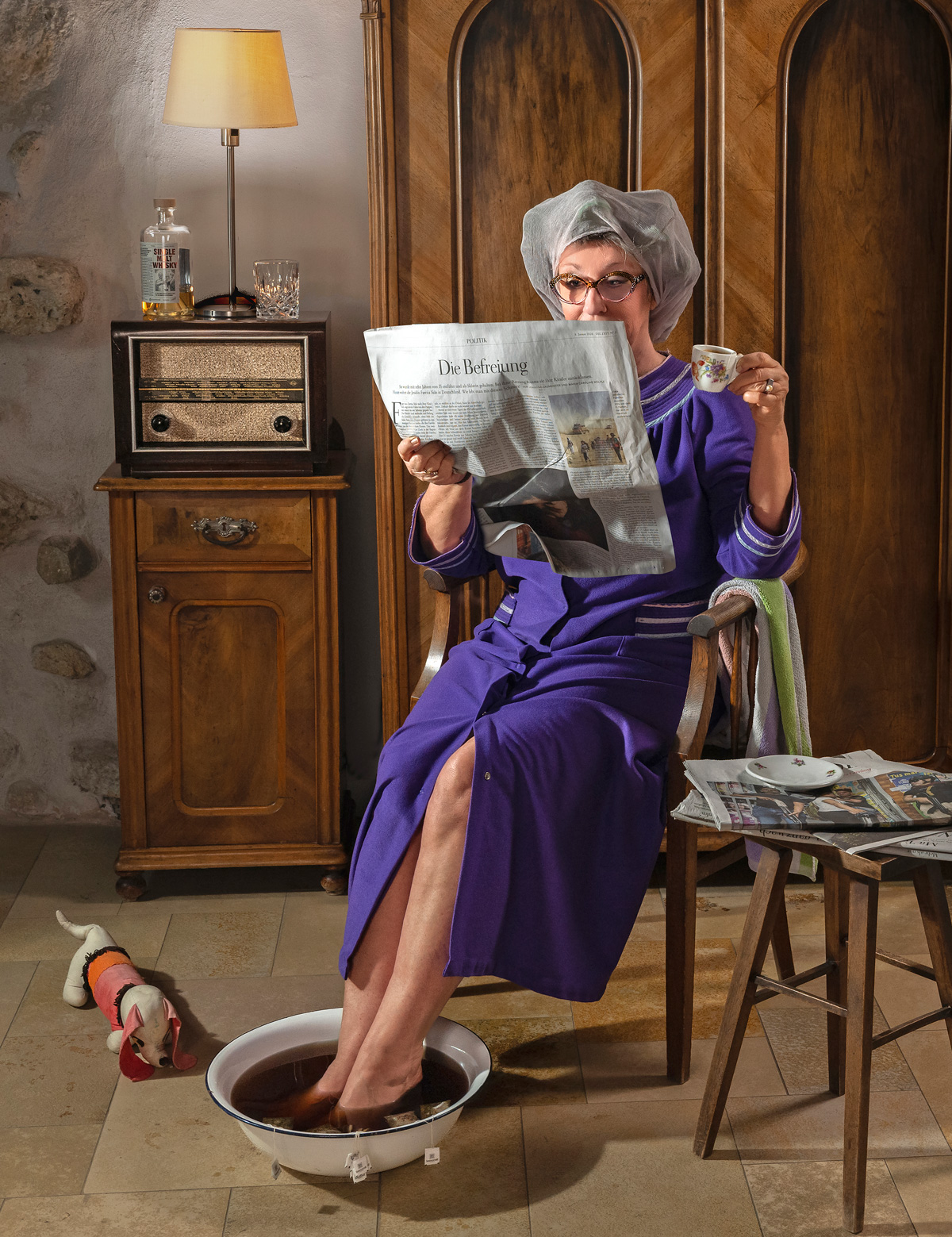
The exhibition I love Coffee, I love Tea, featuring photographs by professional photographers from Lower Austria, and the exhibition of CEWE’s Our World is Beautiful – the world’s largest photography competition, with 656,738 entries from 153 countries – will round off the festival, as will the AI-inspired work by Christoph Künne on the 450-year history of Manfred Schneider’s Annamühle bakery in Baden.
Under the guiding principle of “Culture of Solidarity,” the collaboration with our festival partners, Garten Tulln (where we will present the CEWE exhibition “Our World is Beautiful”) and the Month of Photography Bratislava, will continue in 2026. A new development is our partnership with the city of Warsaw (still to be confirmed), where we will be showcasing the Global Peace Photo Award.